Morocco is a captivating destination where ancient traditions meet modern life. Whether you’re wandering through bustling souks or marveling at stunning landscapes, your first trip to Morocco will be a feast for the senses. This guide will help you navigate the essentials, offering tips on what to expect as you explore this diverse and culturally rich country.
1. Vibrant and Bustling Cities
Morocco’s cities are a whirlwind of activity, filled with sights, sounds, and smells that may seem overwhelming at first. Each city has its own unique charm:
- Marrakesh: Known for its lively markets, street performers, and historical palaces, Marrakesh is a sensory overload – in the best way possible. The famous Djemaa El-Fna square comes alive at night with food stalls, musicians, and snake charmers.
- Fez: The medina of Fez is a UNESCO World Heritage site and home to some of Morocco’s oldest traditions. It’s famous for its maze-like streets, historic mosques, and traditional tanneries.
- Casablanca: As the country’s economic hub, Casablanca blends the modern with the traditional. Don’t miss the stunning Hassan II Mosque, one of the largest in the world.
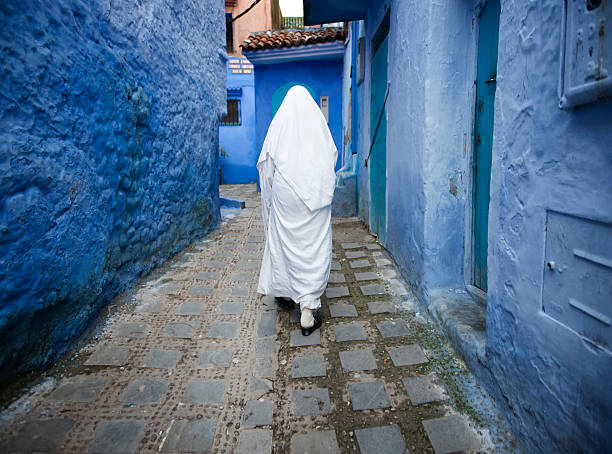
- Chefchaouen: Known as the “Blue City,” Chefchaouen’s serene, blue-washed streets offer a relaxing escape from the hustle and bustle of larger cities.
Expect crowded markets (souks), friendly (and sometimes persistent) vendors, and vibrant streets filled with life.
2. Language: French, Arabic, and Berber
Morocco has two official languages, Modern Standard Arabic and Berber (Amazigh), but French is widely spoken, especially in cities and tourist areas. English is also common in tourist spots, but knowing a few basic phrases in French or Arabic can go a long way:
- Hello: “Salam Alaikum” (Arabic)
- Thank you: “Shukran” (Arabic) or “Merci” (French)
- Yes/No: “Na’am/La” (Arabic)
Moroccans are warm and welcoming, and even a small effort to speak their language is often appreciated.
3. Weather and When to Visit
Morocco’s climate varies depending on the region and time of year. The country experiences:
- Hot Summers: Especially in inland cities like Marrakesh and Fez, where temperatures can soar above 40°C (104°F) during summer.
- Mild Winters: Coastal cities like Casablanca and Tangier stay relatively mild in winter, while inland areas can get quite cold, especially in the Atlas Mountains.
- Best Time to Visit: Spring (March to May) and Fall (September to November) offer comfortable temperatures, making these seasons ideal for exploring the cities, desert, and mountains.
If you plan to visit the Sahara Desert, be prepared for cold nights, even in summer.
4. Currency and Bargaining
The local currency is the Moroccan Dirham (MAD). While credit cards are accepted in larger hotels and restaurants, cash is still king in smaller markets and rural areas. ATMs are widely available in cities.
Bargaining is a common practice in Moroccan souks and markets. Vendors often start with a high price, expecting buyers to negotiate. Here’s how to approach it:
- Stay polite and friendly.
- Don’t be afraid to counter with a price much lower than the initial offer.
- Enjoy the process – bargaining is part of the culture, and it’s meant to be a friendly interaction.
5. Getting Around: Transportation in Morocco
Morocco has a well-developed transportation system, making it easy to travel between cities and explore the country:
- Trains: Trains are reliable and comfortable, connecting major cities like Marrakesh, Casablanca, Rabat, and Fez. The ONCF (Office National des Chemins de Fer) runs the train network, and tickets can be purchased at the station or online.
- Buses: CTM and Supratours are reputable bus companies offering routes to cities and rural areas. Buses are a good option for budget travelers.
- Taxis: In cities, you’ll find petit taxis for short trips and grand taxis for longer distances. Always agree on the price or ask the driver to use the meter before starting the ride.
For a more immersive experience, consider booking a guided tour or renting a car to explore off-the-beaten-path destinations like the Sahara Desert or the Atlas Mountains.
6. Dress Code and Etiquette
While Morocco is a relatively liberal country, it’s still important to respect local customs, especially in terms of dress. Modest clothing is appreciated, particularly in more conservative areas. Women should avoid revealing clothing, and men should also dress modestly.
- In tourist areas like Marrakesh, you’ll find a more relaxed approach, but in rural areas or religious sites, it’s best to cover your shoulders and knees.
- Always remove your shoes before entering someone’s home or a mosque.
- Public displays of affection should be kept to a minimum, as they can be considered disrespectful.
7. Food and Water
Moroccan food is one of the highlights of any trip, with dishes like tagine, couscous, and pastilla offering a variety of flavors and textures. You’ll also find plenty of street food options, from grilled meats to sweets like sfenj (Moroccan doughnuts).
- Drink bottled water: Tap water is not always safe to drink for foreigners, so stick to bottled water, which is widely available.
- Try mint tea: Moroccan mint tea, sweetened with sugar and poured from a height, is a staple of Moroccan hospitality. You’ll be offered tea in most places, and it’s considered polite to accept.
8. Safety and Local Customs
Morocco is generally a safe destination for travelers, but it’s always wise to take precautions:
- Stay aware of your surroundings in crowded places like markets, where pickpocketing can occur.
- Respect local customs and traditions, particularly during religious holidays like Ramadan. During Ramadan, Muslims fast from dawn to dusk, so it’s polite to be discreet if you’re eating in public during the day.
It’s also common to be approached by locals offering services or guiding you through medinas. While some may genuinely want to help, others may expect a tip in return, so it’s best to politely decline if you’re not interested.
9. Unique Experiences You Shouldn’t Miss
To make the most of your trip, try some uniquely Moroccan experiences:
- Explore the Sahara Desert: Take a camel trek and spend the night under the stars in a desert camp.
- Hammams (Public Bathhouses): Visiting a traditional Moroccan hammam is a great way to relax and experience Moroccan bathing rituals.
- Cooking Classes: Learn to make iconic dishes like tagine or pastilla from a local chef.
- Shop in the Souks: Lose yourself in the vibrant markets, where you can find everything from spices to handwoven rugs.
Conclusion:
Morocco is a destination full of contrast and wonder, where ancient traditions blend with modern life. By embracing its vibrant cities, respecting its customs, and savoring its unique flavors, your first trip to Morocco will be an unforgettable experience. Expect warm hospitality, breathtaking landscapes, and a cultural journey like no other!
Related

Hi, this is a comment.
To get started with moderating, editing, and deleting comments, please visit the Comments screen in the dashboard.
Commenter avatars come from Gravatar.